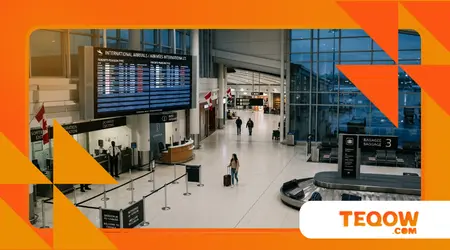
Canada gears up for the 2026 FIFA World Cup as co-host nation

Walking through downtown Toronto or near BC Place in Vancouver this June reveals a city transformed. The air is thick with a mix of excitement and the logistical realization of the event’s scale.
Residents attempting to book a dinner reservation or find a parking spot are quickly discovering that a global event has moved into their backyard.
As Canada gears up for the 2026 FIFA World Cup, the reality of being a co-host is becoming a daily experience.
This tournament involves more than sport; it encompasses construction detours, shifts in transit costs, and the transition of a typical Canadian summer into a global spectacle.
Navigating the World Cup Economic Wave
- The Infrastructure Bill: Allocation of tax dollars in Toronto and Vancouver.
- The “Tourist Inflation” Effect: Potential localized spikes in grocery and service prices.
- Short-Term Rental Market: Impacts on housing availability during match windows.
- Employment Spikes: Temporary job market trends in hospitality and security.
- The Long-Term Legacy: Evaluation of stadium upgrades for 2027 and beyond.
Why is there significant government spending on a one-month event?
Provincial and municipal budgets for the tournament reflect the high costs of stadium renovations and security enhancements.
Public records indicate that these investments are often positioned as a way to accelerate long-term infrastructure projects.
By using the FIFA deadline as a fixed target, cities have pushed through transit upgrades and public space revitalizations that might otherwise remain in the planning stages for years.
This spending extends beyond the grass on the pitch. It covers a massive security apparatus and the logistics required to move large numbers of fans across Canadian geography.
As Canada gears up for the 2026 FIFA World Cup, the financial responsibility is distributed between federal, provincial, and municipal governments.
While the potential for “economic spinoffs” is a primary talking point, historical data from previous global events suggests that taxpayers often cover “unforeseen” costs while primary broadcasting and ticket revenues remain with the international organizers.
++ Transport Canada approves Gulfstream G700 and G800 jets amid tensions
How will the tournament affect the cost of living for residents?
Host cities are likely to experience localized “event inflation.” The influx of thousands of visitors can lead to a sharp increase in demand for basic services.
Residents living near host venues should expect potential surge pricing for ride-sharing, dining, and local entertainment.
This creates a complex situation for local business owners; while they may see record revenues, their operating costs also rise as they compete for limited staff to handle the seasonal rush.
There is also an impact on daily productivity and movement. Major road closures and a transit system operating at maximum capacity can make commuting more difficult for regular workers.
The economic boost often highlighted by officials can be offset by a “displacement effect,” where local residents avoid city centres due to increased crowds and higher prices.
Even those who do not attend the matches may feel the indirect impact as public service priorities shift toward the tournament areas.
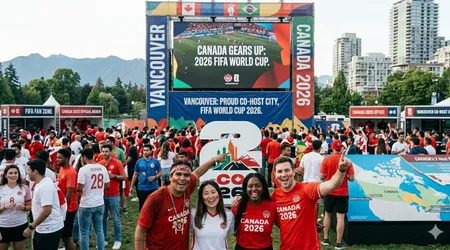
Case Study: Impact on a GTA Household
Consider a family in Mississauga. While they may not be soccer fans, they work in downtown Toronto.
During June, their daily commute on the GO Train already a busy route faces increased congestion from traveling fans.
Furthermore, the short-term rental market in their neighborhood may see a surge in prices, leading some landlords to prioritize tournament visitors over long-term residency options.
This “tourist influx” can make daily life more expensive for local families.
Local shops may adjust prices to match visitor demand, and municipal resources such as police, paramedics, and cleaning crews are frequently diverted to designated “Fan Zones.”
For many, the month is defined more by logistical hurdles and changes in local service quality than by the sporting event itself.
As Canada gears up for the 2026 FIFA World Cup, the “hosting cost” is often measured in the daily convenience of the people living in these hubs.
What are the pros and cons of being a host nation?
Every major international event involves a trade-off between prestige and disruption. The following table outlines the expected impacts as the tournament approaches.
| The “Pro” Side | The “Con” Side |
| Infrastructure Acceleration: Projects like Vancouver transit improvements are completed on a faster timeline. | Public Debt: A significant portion of the billion-dollar price tag is covered by public funds. |
| Tourism Revenue: Hotels and restaurants are projected to see high occupancy and record numbers in summer 2026. | Localized Inflation: Prices for food, transport, and lodging may spike for residents. |
| Global Prestige: Canada increases its profile as a destination for major international events. | Security and Privacy: Increased surveillance and “security zones” restrict movement in city cores. |
| Sporting Legacy: Facilities receive upgrades that remain available for local clubs after the event. | Disruption of Service: Public transit and healthcare resources may be diverted to handle crowds. |
Why is the housing market feeling the “FIFA Fever”?
The tournament is impacting an already strained housing market in Toronto and Vancouver.
There is a noticeable trend of rental units being transitioned into short-term listings as owners look to capitalize on the thirty-day window of the event.
While this benefits the hospitality sector, it adds pressure to housing affordability for residents.
Local governments in host cities are responding by reviewing and tightening regulations on short-term rentals.
The goal is to prevent a hollowing out of residential neighborhoods during the peak summer months.
As Canada gears up for the 2026 FIFA World Cup, the tension between maintaining a livable city and hosting a world-class event is increasingly evident.
How can small businesses prepare for the tournament?
Small businesses can benefit by preparing for visitor needs well in advance. Tourists often look for authentic Canadian experiences beyond the matches themselves.
Businesses that offer local crafts, regional food, or specialized services can find a significant market.
However, sustainability is key. Obvious price gouging can lead to long-term reputational damage. In a digital environment, a “World Cup Surcharge” can quickly lead to negative public feedback.
Focusing on high-volume service rather than excessive markups can help businesses build “residual tourism,” encouraging visitors to return in the future.
Managing the Global Spotlight
Having the world’s eyes on Canada is a significant opportunity for the country.
While the costs and logistical challenges are substantial, the event offers a unique moment for cultural exchange and infrastructure growth.
For residents, being a “savvy citizen” means preparing for disruptions and understanding the fiscal realities of the tournament.
As Canada gears up for the 2026 FIFA World Cup, staying informed is the most effective way to navigate the coming months.
Whether residents choose to engage with the matches or seek a quiet getaway, understanding the economic score helps everyone manage the impact of the world’s biggest party arriving in Canada.
FAQ: Public Information for the 2026 World Cup
1. Will my commute be affected if I live outside Toronto or Vancouver?
The most direct impact will be in city centres near stadiums.
However, major transportation hubs like Pearson International and Vancouver International will see significantly higher passenger volumes. National airline capacity may be strained, affecting travel times across the country.
2. How can residents access tickets?
FIFA manages all ticketing through its official portal.
Demand is expected to exceed supply, and residents are encouraged to use official channels to avoid fraudulent third-party sellers. Prices vary based on the tier and location of the match.
3. Will taxes increase after the World Cup to pay for the debt?
While governments rarely implement a direct “World Cup Tax,” public debt is managed through general budgets.
This may result in higher user fees or the deferral of other municipal projects as budgets are rebalanced following the 2026 fiscal year.
4. What happens to the stadiums after the tournament?
Most upgrades are designed to be multi-use for professional leagues like the CFL and MLS.
The long-term value depends on the ability of local teams and event organizers to maintain high attendance and utilize the expanded capacity in the years following the event.
5. How will security measures affect privacy?
Residents should expect a high police presence and increased surveillance in “designated zones” near venues and fan areas.
These measures are standard for high-profile international events and are designed to manage large crowds and safety.